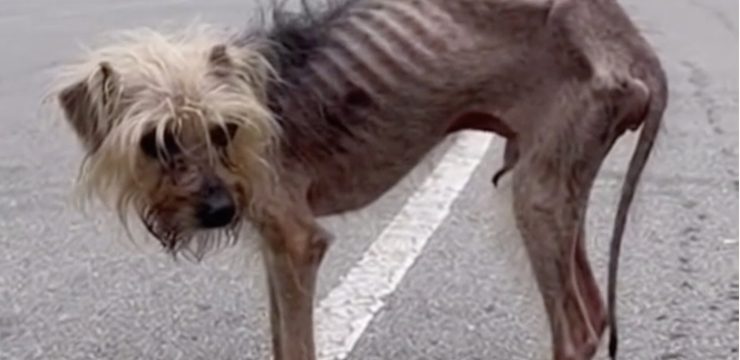
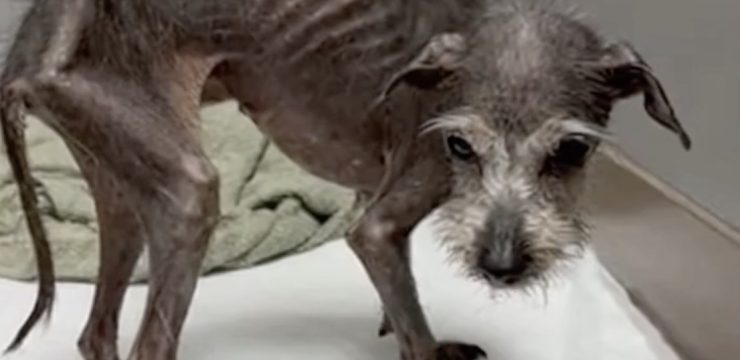
Mukhtar’s story begins on a bitterly cold day, in a place where the snow lay heavy and silence pressed down on everything it touched. He was found lying alone on the frozen ground, badly injured and barely able to draw breath. His body was stained with blood, his eyes clouded with pain and confusion, and every small movement seemed to cost him enormous effort. It was immediately clear that without help, his chances of surviving the cold and his injuries were frighteningly small.
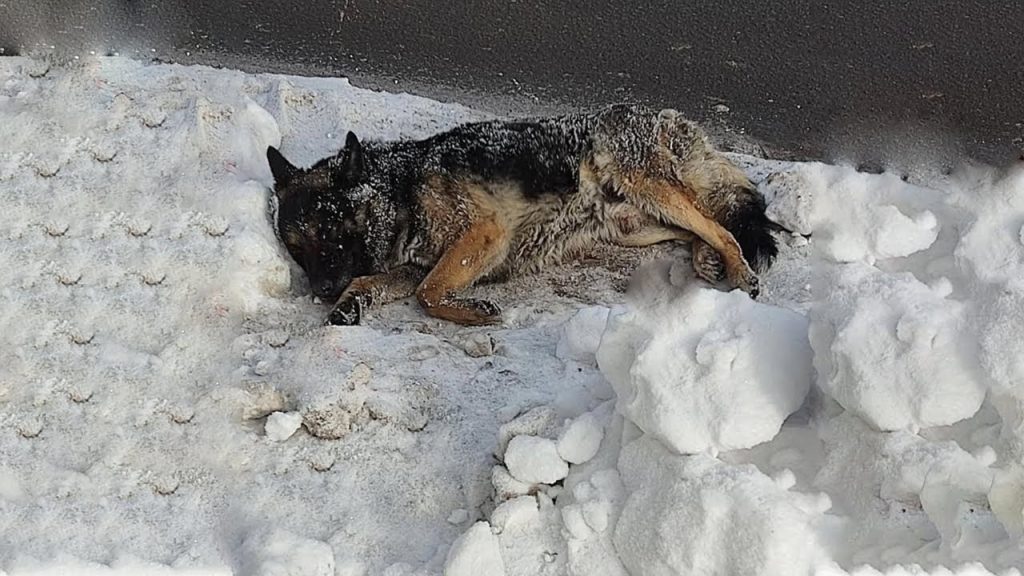
A rescuer, driven by compassion and experience, discovered Mukhtar in this desperate condition. There was no hesitation. Understanding that time was critical, the rescuer carefully lifted him and rushed him to the nearest veterinary clinic. Throughout the journey, Mukhtar remained weak and unresponsive, his breathing shallow, his body trembling from both pain and exposure. Yet even in that fragile state, there was a quiet sense that he was holding on, trusting the hands that now carried him toward safety.
At the clinic, veterinarians moved quickly to assess the extent of his injuries. Mukhtar was suffering from severe trauma, including bleeding in his eyes and damage that left him unable to stand or move normally. The medical team focused first on stabilizing him, easing his pain, cleaning his wounds, and monitoring his vital signs. Every hour mattered. The doctors and technicians worked with care and patience, knowing that recovery would not be quick or simple, but believing that Mukhtar deserved every possible chance.
As the initial crisis passed, Mukhtar began a slow and uncertain journey toward healing. His condition required constant observation, and his progress was measured in small but meaningful steps. He rested quietly under warm blankets, surrounded by gentle voices and steady hands. Though still exhausted and frightened, he was no longer alone in the cold. For the first time since being found, he was safe, and that safety became the foundation on which his recovery could begin.
Once his condition stabilized enough for him to leave the clinic, arrangements were made for Mukhtar to continue his healing in a paid foster care home. This environment offered something just as important as medical treatment: calm, warmth, and consistent attention. Mukhtar had suffered a fractured pelvis, an injury that would take time, rest, and careful management to heal properly. In foster care, he could recover at his own pace without the stress of a busy clinic.
Eating was another challenge. Mukhtar refused dry kibble, likely due to discomfort and weakness. Understanding his needs, his caregivers provided special canned food and soft meat to ensure he received proper nutrition. Each meal was prepared with thought and patience, focused on helping him regain strength little by little. These small acts of kindness played a crucial role in his recovery, reminding him that care could be gentle and reliable.
Day by day, Mukhtar began to show subtle signs of improvement. His breathing became steadier, his eyes clearer, and his body more relaxed. While he still needed support and rest, the fear that once dominated his expression slowly softened. The foster home became a place of routine and reassurance, where he could sleep comfortably and heal without pressure. Clean bedding, medical supplies, and attentive care surrounded him, forming a quiet but powerful promise of stability.
Mukhtar’s story is not one of instant transformation, but of steady perseverance. Healing from serious injury, both physical and emotional, rarely happens overnight. It requires time, consistency, and a network of people willing to invest care without expecting immediate results. Mukhtar was fortunate to receive that support, from the rescuer who refused to walk away, to the veterinarians who worked tirelessly, and the foster caregivers who opened their home to him.
For those who witness his journey, Mukhtar represents resilience in its most honest form. He did not recover because of dramatic intervention alone, but because of sustained compassion. Every warm meal, every careful examination, and every quiet moment of rest contributed to his progress. His recovery reminds us that saving a life often continues long after the emergency has passed.
In the end, Mukhtar is shown resting peacefully in a warm, secure environment, surrounded by the supplies and care he needs to continue healing. His body is still mending, but his circumstances have changed completely. Where there was once cold, pain, and isolation, there is now safety, comfort, and hope. His journey stands as a testament to what can happen when empathy meets action, and when one vulnerable life is given the chance to recover with dignity and care.
For many readers, especially those who have lived long enough to understand loss, patience, and quiet strength, Mukhtar’s experience resonates deeply. It speaks to the value of noticing what others might overlook and choosing responsibility over indifference. His survival was not guaranteed, and his future required commitment rather than convenience. Yet this is precisely why his story matters. It reminds us that compassion does not always arrive loudly. Often, it appears in the form of showing up consistently, providing warmth when the world feels harsh, and allowing healing to unfold in its own time. Mukhtar’s recovery continues, shaped by attentive care and gentle routines, but the hardest chapter has already passed. What remains is a living example of hope grounded in action, and a quiet assurance that even in the coldest moments, kindness can change the course of a life. His story encourages reflection, empathy, and renewed faith in humanity’s ability to protect the vulnerable.