Graf’s story is one that pierces the heart and stirs the soul—a powerful reminder of resilience, betrayal, and the unwavering kindness of those who choose compassion when others walk away.
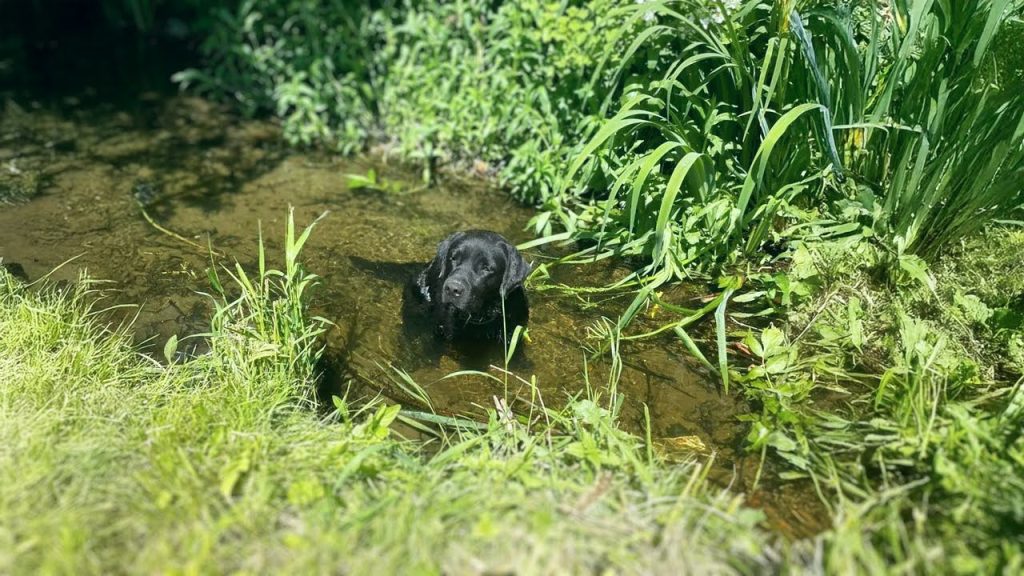
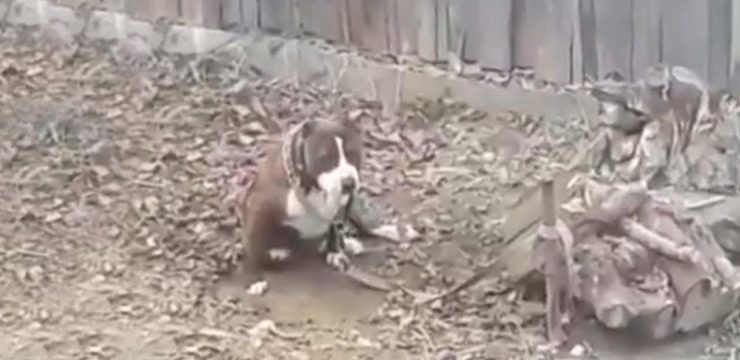
He was found motionless, curled in a shallow ditch, soaked to the bone and unable to move. A collar still hung around his neck, silent proof that he once had a home, a person, someone. But there he was—abandoned, cold, and broken. The rescue team rushed to his aid, their hearts pounding as they approached the dark figure lying still in the freezing water. Time was not on their side. They gently wrapped him in a blanket, lifting him with the utmost care, knowing that every second mattered. His body trembled from exposure, and the look in his eyes was one of quiet surrender, as though he had already accepted his fate.
At the veterinary clinic, the situation only grew more dire. The lower half of his body was soaked and lifeless. His spine, just by appearance, looked wrong—unnaturally curved and sunken. The doctors quickly took him in for X-rays, and the results confirmed their fears. Graf’s spine had been broken in two places. The prognosis was grim. One doctor, with great heaviness in his voice, gave a one percent chance that Graf would ever walk again. Major surgery was the only hope, but even then, there were no promises—only prayers.
Still, they refused to give up. The shelter team worked swiftly to stabilize him. And then, a ray of hope: they managed to track down Graf’s owner. For a brief moment, everyone hoped this story might turn. The man on the other end of the line seemed relieved that Graf had been found. But that relief quickly soured into rejection. When he heard the details—about the spinal injury, the costly surgery, and the long road ahead—his tone changed. Though he offered to cover the surgical costs, his next words were like a punch to the gut.
He wouldn’t be taking Graf back. Not now. Not ever.
“I don’t want a disabled dog,” he said flatly, and then hung up the phone. He never called again.
There was no time to dwell on heartbreak. Graf needed help. And help is exactly what he received.
The surgery took three long hours. Doctors carefully fused the fractured parts of his spine with metal supports, a delicate and precise operation that offered a sliver of hope. Afterward, he was kept under constant watch. Days passed. Slowly, his body calmed. The uncontrollable shaking stopped. He started to show signs of comfort, even happiness—especially when visitors came by to check on him. Graf’s spirit, it seemed, had never truly broken. Beneath the trauma and pain, there remained a soul that still longed to love and be loved.
The shelter staff, now deeply attached to him, celebrated every small milestone. A tail wag. A lifted head. The gentle nudge of his nose against their hands. It was clear that, despite what he had endured, Graf was affectionate, gentle, and full of heart. They spoke to him softly, calling him “beautiful boy,” and soon began referring to themselves as his “new moms.”
But the road to recovery wasn’t just emotional—it was physical. With his spinal injury, Graf couldn’t walk on his own. So the shelter reached out and secured a custom wheelchair designed just for him. When it arrived, Graf was gently lifted into the frame. No one knew how he would react.
What happened next left everyone in tears.
Graf didn’t hesitate. The moment he realized he could move again, he took off. Not awkwardly. Not timidly. He ran. He ran with joy, ears bouncing, tongue lolling, tail wagging. It was as if someone had returned to him a piece of the life he’d thought was lost forever. He was free again—moving, exploring, being a dog.
As weeks turned into months, Graf’s world grew brighter. He made new friends at the shelter—other dogs who had also seen the darker side of life, and who welcomed him with curious sniffs and playful barks. He learned to navigate his new world with strength and confidence, and soon became a favorite among volunteers and visitors alike. His resilience was nothing short of inspiring.
What makes this story so moving is not just Graf’s physical transformation, but the emotional one. He was a dog left behind in his hour of need, yet he never let that betrayal define him. He didn’t grow bitter. He didn’t retreat. Instead, he opened his heart to those who truly saw him and stayed. Graf chose love.
And love, in its purest form, chose him right back.
Today, Graf remains at the shelter, not as a temporary guest, but as a beloved permanent resident. His caretakers—those who held him through the worst, who cried for him when he was abandoned, who cheered him on as he ran again—are now his family. They’ve promised him a life of warmth, care, and endless affection. They often joke that he has dozens of mothers now, but it’s no joke at all. It’s truth. It’s loyalty. It’s love.
Graf’s journey reminds us that healing doesn’t always mean returning to what was lost. Sometimes, it means creating something entirely new—something stronger, something better. And sometimes, the most broken among us carry the greatest light.
In a world that too often looks away from suffering, Graf’s story is a quiet, powerful call to look closer, to act with heart, and to believe in second chances.